SUBSCRIBE Now or RENEW
Account Login
Register
Facebook
Instagram
X
News
Sports
Features
Special Sections
_PRESS START_
Pets
2025 Online Photo Gallery
Obituaries
Opinion
Events Calendar
Add Your Event
Maysville E-Letters
Public Notices
Local Guide
E-Edition
Uncategorized
TV Week – November 1, 2025
October 30, 2025
Senior Living April 2025
April 30, 2025
Bracket Madness 2025
March 16, 2025
2024 Salute to the Hands that Feed Us
March 20, 2024
Showcase of Homes – November 2023
November 8, 2023
Mother’s Day 2023
May 10, 2023
Senior Living April 2023
April 26, 2023
Celebrate July 4th! Area Events & Happenings
June 24, 2022
2022 Memorial Day – Remember and Honor
May 27, 2022
Veterans Day 2021 / Ledger Independent
November 10, 2021
https://fliphtml5.com/bxbne/gnan
1
2
3
…
137
Next Page
→
Search the website
Search
Search
Calendar
Stocks
Market Data
by TradingView
Recipes
Editor’s Picks
Ledger Independent reporter nationally recognized as News Trailblazer
April 17, 2026
Maysville gears up for national Gus Macker Tournament
April 17, 2026
“A space for peace”: Ribbon cutting held at the Gardens at St. Patrick’s
April 17, 2026
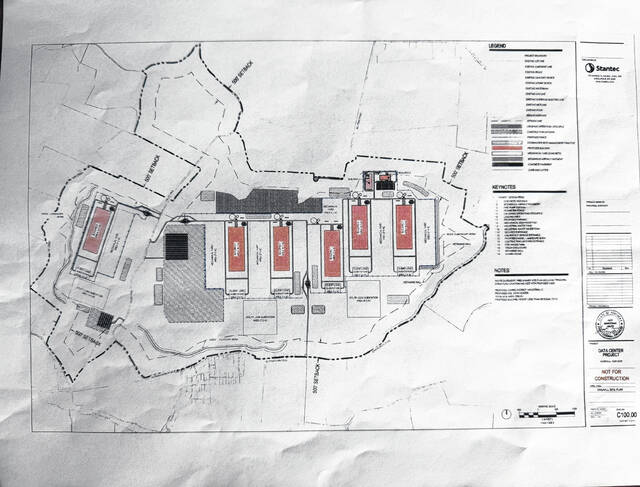
JPC fails to make rezoning recommendation for data center project
March 30, 2026
Hyperscale data center zoning map amendment application submitted
March 23, 2026